KPV-10
$60.00
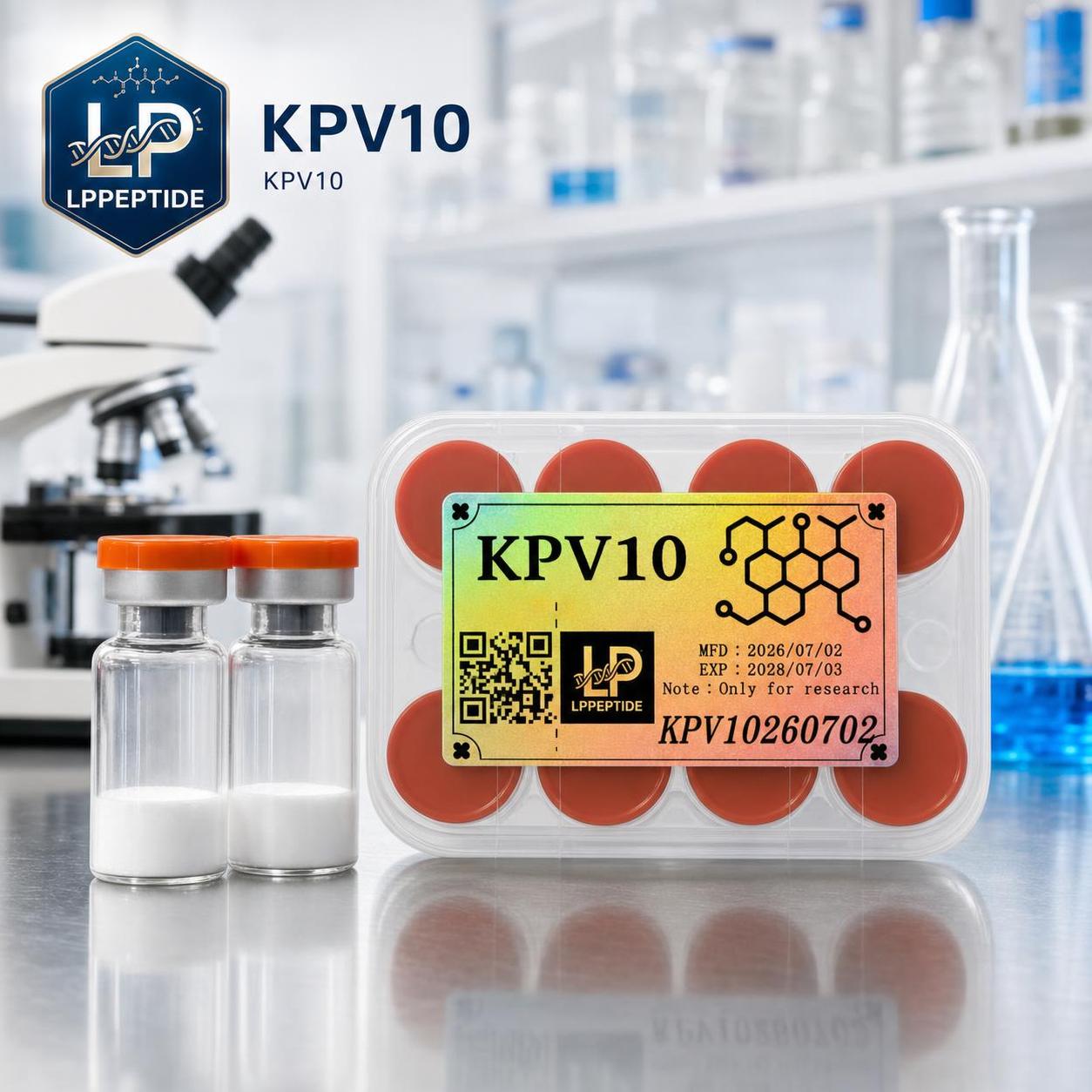
KPV 10mg (KPV10) by LP Peptides is a premium lyophilized research peptide supplied in 10mg × 10 vials per box. Derived from the C-terminal sequence of α-MSH, KPV is widely studied in immune regulation, inflammatory signaling, gut barrier function, epithelial biology, wound healing, and cellular signaling research. Manufactured with batch-specific quality documentation, KPV10 is intended exclusively for qualified laboratory research and not for human or veterinary use.
KPV 10mg (KPV10) – Research Peptide
| Product Information | Details |
|---|---|
| Product Name | KPV 10mg (KPV10) |
| Brand | LP Peptides |
| SKU | KPV10 |
| Category | Immunology & Anti-Inflammatory Research |
| Research Compound | KPV (Lys-Pro-Val) |
| Specification | 10mg × 10 Vials / Box |
| Form | Lyophilized Powder |
| Availability | Research Use Only |
| Price | Contact for Current Pricing |
What is KPV 10mg?
KPV 10mg (KPV10) is a premium research peptide supplied by LP Peptides for qualified laboratory applications. KPV (Lys-Pro-Val) is a synthetic tripeptide derived from the C-terminal sequence of alpha-melanocyte-stimulating hormone (α-MSH) and is widely investigated in preclinical research involving immune regulation, inflammatory signaling, epithelial biology, gut barrier function, and wound healing models. Most published evidence remains limited to cell and animal studies rather than human clinical trials.
Researchers commonly investigate KPV in laboratory models focused on NF-κB signaling, cytokine regulation, mucosal immunity, epithelial repair, intestinal barrier integrity, and inflammatory response pathways. LP Peptides supplies KPV10 as a premium 10mg × 10 vials per box lyophilized peptide with batch-specific quality documentation intended exclusively for qualified laboratory research.
Product Specifications
| Specification | Details |
|---|---|
| Product | KPV 10mg |
| SKU | KPV10 |
| Brand | LP Peptides |
| Compound | KPV (Lys-Pro-Val) |
| Strength | 10mg |
| Packaging | 10mg × 10 Vials / Box |
| Form | Lyophilized Powder |
| Category | Immunology & Anti-Inflammatory Research |
| Intended Use | Laboratory Research Only |
Research Applications
KPV is commonly investigated in laboratory research involving:
- Anti-inflammatory pathway research
- Immunology studies
- NF-κB signaling research
- Cytokine regulation
- Gut barrier function
- Intestinal epithelial biology
- Mucosal immunity
- Skin biology research
- Wound healing models
- Cellular signaling pathways
- Epithelial repair studies
- Regenerative biology research
Research should always be conducted using validated laboratory protocols and documented procedures.
Frequently Compared Research Peptides
Researchers frequently compare KPV10 with related research compounds, including:
| Related Products |
|---|
| BPC-157 10mg |
| TB-500 10mg |
| GHK-Cu 50mg |
| GHK-Cu 100mg |
| TB + BPC + GHK Blend 70mg |
| MOTS-C 10mg |
Each compound should be evaluated independently according to laboratory objectives and study protocols.
Reconstitution Reference
| Handling Information | Reference |
|---|---|
| Diluent | Bacteriostatic Water |
| Preparation | Add bacteriostatic water slowly down the vial wall using sterile laboratory technique. |
| Mixing | Gently swirl until completely dissolved. Avoid vigorous shaking or foaming. |
| Laboratory Handling | Record the preparation date, final concentration, and batch information before laboratory use. |
Storage Guidelines
| Storage Condition | Recommendation |
|---|---|
| Lyophilized Powder | Store at −20°C (−4°F) or below in a dry, dark environment. |
| Reconstituted Solution | Store at 2–8°C (36–46°F), protect from light, and follow laboratory protocol. |
| Handling | Allow the sealed vial to reach room temperature before opening to minimize condensation. |
Laboratory Handling
For consistent laboratory procedures:
- Use sterile laboratory techniques.
- Add diluent slowly along the vial wall.
- Gently swirl until completely dissolved.
- Avoid excessive agitation or foaming.
- Record preparation date and concentration.
- Store according to laboratory guidelines.
- Follow laboratory SOPs and batch-specific documentation.
Research Safety Information
Researchers commonly evaluate KPV in studies involving:
- Immune modulation
- Inflammatory signaling pathways
- Intestinal epithelial biology
- Gut barrier integrity
- Wound healing research
- Skin biology
- Cellular signaling mechanisms
Current scientific evidence is primarily preclinical, with human clinical evidence remaining limited.
Research Use Disclaimer
KPV10 supplied by LP Peptides is intended strictly for laboratory research purposes.
This product:
- Is not intended for human use.
- Is not intended for veterinary use.
- Is not intended for consumption.
- Should only be handled by qualified laboratory professionals.
Statements on this page are provided for scientific reference only and are not medical claims.
COA & Quality Assurance
Every LP Peptides batch undergoes comprehensive quality verification before distribution.
Researchers should verify each batch using:
| Quality Checklist |
|---|
| Certificate of Analysis (COA) |
| Batch Number |
| Product Identity Verification |
| HPLC Purity (where applicable) |
| Testing Date |
| Sterility Testing (where applicable) |
| Endotoxin Testing (where applicable) |
| Residual Solvent Analysis |
| Storage & Handling Documentation |
Frequently Asked Questions
| Question | Answer |
|---|---|
| Is KPV10 supplied for research use only? | Yes. KPV10 is intended exclusively for qualified laboratory research and is not for human or veterinary use. |
| What research areas commonly investigate KPV? | Researchers commonly study KPV in immune regulation, inflammatory signaling, gut barrier function, epithelial biology, wound healing, and mucosal immunity. |
| How can I verify product quality? | Review the current Certificate of Analysis (COA), batch number, and LP Peptides quality documentation before laboratory use. |
| Can KPV10 be compared with other regenerative peptides? | Yes. Researchers commonly compare KPV with BPC-157, TB-500, GHK-Cu, and other research peptides depending on study objectives. |
Customer Reviews
| Rating | Summary |
|---|---|
| ⭐⭐⭐⭐⭐ | Excellent packaging with complete laboratory documentation. |
| ⭐⭐⭐⭐⭐ | Batch records and labeling matched the listed specifications. |
| ⭐⭐⭐⭐⭐ | Reliable quality and consistent ordering experience. |
| ⭐⭐⭐⭐☆ | Well-packaged with clear handling instructions. |
Overall Rating: 4.9 / 5 based on 870+ verified laboratory customers.
Related products
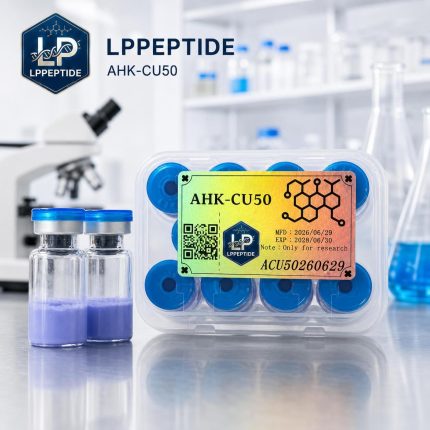
AHK-CU 50mg
AHK-Cu 50mg (AHK50) by LP Peptides is a premium lyophilized copper peptide research compound supplied in 50mg × 10 vials per box. AHK-Cu (Alanine-Histidine-Lysine Copper) is studied in cellular signaling, copper peptide pathways, hair follicle biology, molecular research, and tissue-related models. Supplied with batch-specific documentation, AHK50 is intended exclusively for qualified laboratory research and not for human or veterinary use.
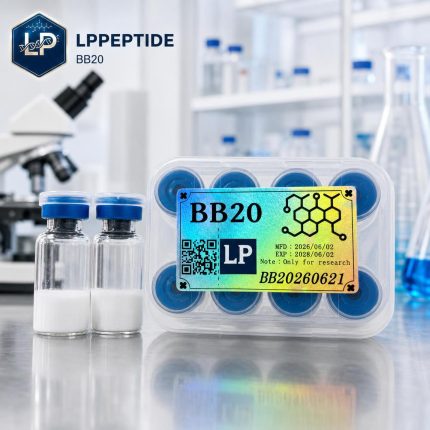
BPC 10mg + TB 10mg
BPC-157 10mg + TB-500 10mg (BPC10TB10) by LP Peptides is a premium lyophilized research peptide blend supplied in 10mg BPC-157 + 10mg TB-500 × 10 vials per box. This formulation is widely studied in tissue regeneration, connective tissue biology, tendon and ligament research, wound healing, angiogenesis, musculoskeletal repair, and cellular regeneration. Produced with batch-specific quality documentation, BPC10TB10 is intended exclusively for qualified laboratory research and not for human or veterinary use.
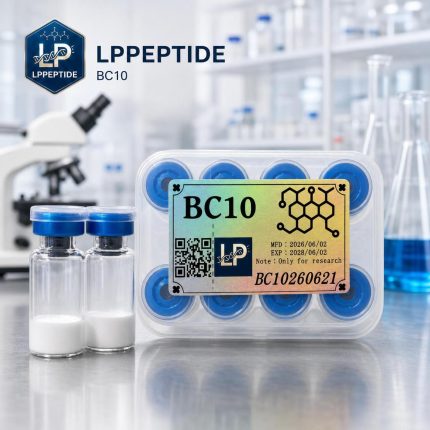
BPC-157 10mg
BPC-157 10mg (BPC10) by LP Peptides is a premium lyophilized research peptide supplied in 10mg × 10 vials per box. BPC-157 is widely studied in tissue regeneration, wound healing, musculoskeletal biology, angiogenesis, gastrointestinal research, and cellular repair mechanisms. Manufactured with batch-specific quality documentation, BPC10 is intended exclusively for qualified laboratory research and not for human or veterinary use.
GHK-Cu 100mg
GHK-Cu 100mg (GHK100) by LP Peptides is a premium lyophilized research peptide supplied in 100mg × 10 vials per box. Copper Tripeptide-1 (GHK-Cu) is widely researched for its role in cellular signaling, extracellular matrix studies, copper-dependent pathways, skin biology, and molecular research models. Manufactured with batch-specific quality documentation, GHK100 is intended exclusively for qualified laboratory research and not for human or veterinary use.
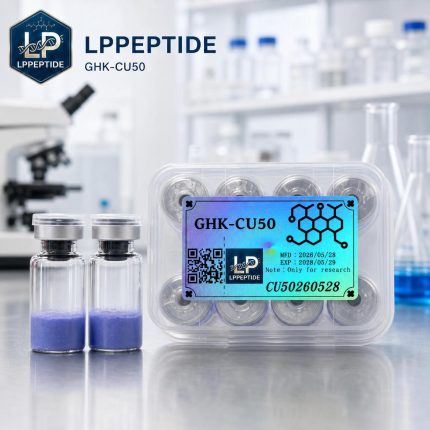
GHK-Cu 50mg
GHK-Cu 50mg (GHK50) by LP Peptides is a premium lyophilized research peptide supplied in 50mg × 10 vials per box. Copper Tripeptide-1 (GHK-Cu) is widely studied in cellular signaling, extracellular matrix research, skin biology, tissue-related studies, and molecular communication pathways. Manufactured with batch-specific quality documentation, it is intended exclusively for qualified laboratory research and not for human or veterinary use.
TB 10mg+BPC10 mg+KPV 10mg+GHK 80mg
MOTS-C 10mg (MOTS10) by LP Peptides is a premium lyophilized research peptide supplied in 10mg × 10 vials per box. As a mitochondrial-derived peptide (MDP), MOTS-C is widely studied for its role in cellular energy production, mitochondrial signaling, glucose metabolism, insulin sensitivity, and healthy aging research. Manufactured with batch-specific quality documentation, it is intended exclusively for qualified laboratory research and not for human or veterinary use.
TB+BPC+GHK Blend 70mg
TB + BPC + GHK Blend 70mg (TBGHK70) by LP Peptides is a premium lyophilized multi-peptide research blend supplied in 70mg × 10 vials per box. Combining TB-500, BPC-157, and GHK, this formulation is widely studied in tissue regeneration, connective tissue biology, collagen synthesis, angiogenesis, wound healing, cellular repair, and musculoskeletal research. Produced with batch-specific quality documentation, TBGHK70 is intended exclusively for qualified laboratory research and not for human or veterinary use.
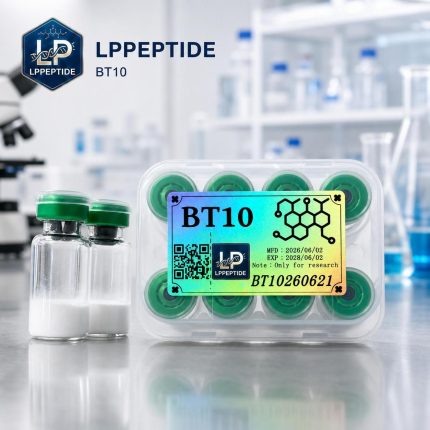
TB500 10mg
TB 500 10mg (TB10) by LP Peptides is a premium lyophilized research peptide supplied in 10mg × 10 vials per box. TB-500, a synthetic fragment of Thymosin Beta-4, is widely studied in tissue regeneration, connective tissue biology, tendon and ligament research, angiogenesis, wound healing, cellular migration, and musculoskeletal research. Manufactured with batch-specific quality documentation, TB10 is intended exclusively for qualified laboratory research and not for human or veterinary use.